Detailed Overview Of Omasp Laina And Its Significance
Omasp Laina: The Cultural, Social, and Practical Significance
Omasp laina is a term that resonates deeply within specific cultural spheres, highlighting a tradition rooted in history and community identity. While the name may sound unfamiliar outside its traditional context, understanding its origins provides valuable insights into its ongoing relevance and the role it plays in preserving cultural heritage. At its core, omasp laina embodies a blend of custom, craftsmanship, and communal values that have been passed down through generations.

Historical records suggest that omasp laina originates from regions where such practices served both practical and ceremonial purposes. Its development traces back centuries, often linked to communal activities that reinforced social bonds and helped transmit ancestral knowledge. The tradition was initially hand-crafted, drawing on local materials and techniques, which over time became refined into highly recognizable forms that signified identity and continuity.
Today, the practices associated with omasp laina continue to symbolize more than just cultural heritage; they stand as testament to a community’s resilience and creativity. The words themselves, though varied in pronunciation and spelling across different regions, invariably evoke notions of connection, craftsmanship, and tradition. Recognizing these roots underscores the importance of maintaining and respecting such practices amidst modern influences.
Visualizing Cultural Heritage
Significant to understanding omasp laina’s importance is appreciating its visual and material aspects. The craftsmanship involved often includes intricate patterns, symbolic motifs, and durable materials that reflect the local environment and aesthetic preferences. These features are not just artistic expressions; they serve as means of storytelling and cultural transmission. Such artifacts often become cherished symbols, worn or displayed during festivals and communal gatherings, reinforcing a shared sense of heritage.

Examining its origins and the context within which omasp laina developed offers a window into the history of social cohesion and cultural resilience. By understanding these processes, enthusiasts and scholars alike can better appreciate the depth of value embedded in these traditions. As modern societies grapple with rapid change, the preservation of such practices becomes increasingly vital for maintaining cultural diversity and community identity.
In the next sections, we will explore the key features and distinctive qualities that define omasp laina, along with its varied applications and forms across different regions.
Omasp Laina: The Cultural, Social, and Practical Significance
One of the defining features of omasp laina is its intricate craftsmanship and the symbolic motifs it incorporates. These patterns often serve dual functions—representing cultural narratives and embodying aesthetic principles particular to specific regions. For instance, motifs might symbolize protective qualities, community bonds, or historical narratives, transforming everyday objects into meaningful cultural artifacts. Master artisans meticulously carve, weave, or assemble these designs, ensuring each piece retains its cultural authenticity and uniqueness.
In addition to its visual appeal, omasp laina practices often involve specific techniques, materials, and tools, which have been passed down through generations. Traditional methods may include hand-carving wood, sewing with natural fibers, or casting in metals, depending on regional customs. These techniques highlight a community's resourcefulness and adaptation to their environment, often utilizing locally sourced materials that reflect the region’s ecological characteristics. Such methods not only preserve traditional craftsmanship but also foster a sense of continuity and identity among practitioners.

The qualities that distinguish omasp laina extend beyond their aesthetic and technical aspects. They are deeply embedded in the social fabric, often used in ceremonial contexts, rituals, or communal celebrations. When worn or displayed, they serve as visual markers of social status, regional identity, or family heritage. This makes omasp laina not merely decorative but also integral to community cohesion and personal identity.
Interestingly, the production and use of omasp laina can vary significantly across regions, reflecting diverse cultural influences and environmental factors. Some communities may emphasize elaborate decorations and ceremonial significance, while others focus on functional or everyday use. This regional variation enriches the overall tapestry of omasp laina practices, offering multiple perspectives on how tradition adapts to contemporary life.

Understanding these distinctive qualities provides valuable insights into the cultural resilience and adaptability of communities practicing omasp laina. As modern influences introduce new materials and technologies, many artisans incorporate innovations while striving to maintain traditional integrity. This balance between preservation and adaptation ensures that omasp laina remains relevant, appreciated, and continuously evolving.
In the subsequent sections, the discussion will turn toward the social functions of omasp laina and how it actively contributes to the identity and cohesion of communities. We will also explore specific applications, such as their role in festivals, rites of passage, and everyday life.
Omasp laina: The cultural, social, and practical significance
In many communities where omasp laina holds traditional roots, its role extends beyond mere craftsmanship, embedding itself deeply into everyday life and social structures. These artifacts encapsulate collective memories, embody cultural values, and serve as symbols of identity for individuals and groups alike. The act of creating or wearing omasp laina often signifies belonging, social status, or participation in specific rites and celebrations. Its multifaceted significance manifests through various social functions, from marking life milestones to reinforcing community bonds.
In some societies, omasp laina is integral to rituals such as initiation ceremonies, weddings, or harvest festivals. During these events, the specific styles and motifs of the omasp laina worn or displayed are carefully selected to communicate particular meanings—be it protection, prosperity, or ancestral homage. The communal involvement in producing and venerating these items fosters social cohesion, as shared traditions and craftsmanship bonds reinforce collective identity. Illustrating this, elders or master artisans often pass down techniques and stories related to omasp laina, ensuring the transmission of cultural knowledge across generations.

In addition to their ceremonial uses, omasp laina also plays a role in everyday social interactions, acting as a visual language that communicates one's heritage, alliances, or personal achievements. For instance, specific patterns or materials might denote regional origin or familial lineage, serving as a form of social identification. Such practices reinforce pride and a sense of continuity, fostering resilience amidst external influences attempting to overshadow traditional identities.
Furthermore, the significance of omasp laina extends into the realm of social storytelling. Artisans, elders, and community members often share narratives about particular motifs, craftspeople, or events linked to specific pieces. Through these stories, cultural values and histories are preserved and communicated, maintaining a living connection between past and present. This storytelling function enriches the cultural fabric and offers a nuanced understanding of community resilience and adaptation over time.
Visualizing Cultural Heritage
Representation of omasp laina in public and private spaces—whether through exhibitions, community displays, or personal collections—serves as a testament to a community’s cultural vitality. These visual displays create opportunities for intercultural dialogue, fostering appreciation and broader recognition of indigenous traditions. By actively participating in cultural festivals, exhibitions, and educational programs, communities contribute to safeguarding this heritage and ensuring its transmission to future generations.
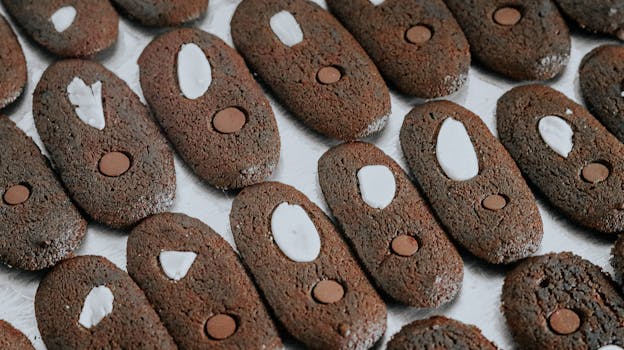
Through community-led initiatives and collaborations, older artisans often partner with younger practitioners, blending traditional techniques with contemporary artistic expressions. This synergy not only preserves ancient craftsmanship but also opens pathways for innovation, ensuring that omasp laina remains relevant in changing cultural landscapes. Such efforts highlight the dynamic nature of these practices, capable of adapting while maintaining their core symbolic and social importance.
Understanding omasp laina’s social and cultural dimensions underscores its role as more than just decorative art. It is a vital component of community identity, offering continuity, pride, and resilience. Initiatives aimed at documenting, teaching, and promoting these traditions offer promising avenues for safeguarding this intangible cultural heritage. As societies evolve, maintaining the relevance and visibility of omasp laina requires ongoing engagement, education, and support from both local communities and broader cultural institutions.
This ongoing process ensures that omasp laina continues to strengthen community bonds, serve as a vehicle for storytelling, and preserve its traditional significance for future generations.
Omasp laina: The evolving landscape of craftsmanship and community significance
As modern influences continue to shape traditional practices, the preservation and adaptation of omasp laina have become central themes in maintaining cultural integrity. Artisans and communities face the challenge of balancing authenticity with innovation, ensuring that traditional techniques do not fade into obscurity while accommodating contemporary tastes and functional demands. This balancing act often involves integrating new materials or design elements that resonate with current aesthetics without compromising the core symbolic meanings embedded within omasp laina.
One notable trend is the fusion of traditional craftsmanship with modern artistic expressions. Younger artisans, inspired by global art movements, sometimes experiment with new motifs, color palettes, and mediums, creating hybrid forms that appeal to broader audiences. These innovations can lead to increased visibility and economic opportunities, especially when marketed through contemporary platforms or exhibitions. However, maintaining the integrity of the original techniques and motifs remains a priority for many communities committed to cultural preservation.

Parallel to artistic innovation, technological advancements have facilitated new methods of production and dissemination. Digital documentation, 3D modeling, and online educational resources enable wider dissemination of techniques and stories behind omasp laina. These tools support artisans in reaching global markets and connecting with cultural institutions for recognition and preservation efforts. Such technological integration also allows for the creation of virtual museums or online exhibitions dedicated to omasp laina, broadening access while safeguarding physical artifacts from overexposure or deterioration.
Nevertheless, challenges to sustaining omasp laina practices persist. Economic pressures, urbanization, and younger generations’ shifting interests can lead to the decline of traditional crafts. Additionally, the commodification of cultural artifacts can sometimes result in misappropriation or loss of authenticity, emphasizing the need for regulatory frameworks that protect intellectual property rights and cultural heritage. Establishing clear guidelines and certifications for authentic omasp laina products can help maintain standards and prevent exploitation, ensuring that artisans and communities reap fair benefits from their work.
Simultaneously, initiatives that promote community-based entrepreneurship and cultural tourism can invigorate local economies while reinforcing traditional practices. Workshops, festivals, and craft markets serve not only as commercial opportunities but also as vital platforms for education and cultural exchange. These events foster pride among practitioners and encourage the younger generation to inherit and adapt traditional techniques, thus securing a sustainable future for omasp laina.
Another significant factor influencing the future of omasp laina is the increasing emphasis on sustainable and ethical practices. Communities are now more mindful of sourcing environmentally friendly materials and minimizing waste during production. This shift aligns with global trends toward responsible consumption and production, further integrating omasp laina into contemporary issues of sustainability while respecting cultural values. Additionally, collaborations with designers and engineers can lead to innovative applications—such as functional accessories, jewelry, or home decor—that appeal to modern consumers without diluting traditional meanings.

The outlook for omasp laina hinges on the capacity of communities, artisans, and policymakers to work synergistically. Their shared goal is to foster a resilient cultural heritage that is both relevant and vibrant, resonating with both local populations and international audiences. Educational programs targeting schools and youth organizations play an essential role in instilling appreciation and understanding of omasp laina’s significance, ensuring that these skills and stories endure beyond individual lifetimes. As part of a broader cultural dialogue, omasp laina exemplifies the dynamic process of tradition meeting innovation.
Ultimately, the future of omasp laina depends on active community engagement, strategic preservation efforts, and adaptive innovation. Each of these elements contributes to a living tradition that evolves while respecting its roots. Encouraging dialogue between generations and integrating modern tools with age-old techniques will help safeguard its cultural importance for decades to come—ensuring that omasp laina remains a symbol of identity, resilience, and artistic excellence.
Balancing Tradition and Innovation in omasp laina Applications
One of the defining characteristics of omasp laina is its remarkable ability to adapt to different contexts while retaining its core symbolic meanings. Modern applications of omasp laina extend well beyond traditional uses, integrating into contemporary life in ways that honor heritage yet meet current aesthetic and functional demands. This evolution demonstrates not only the resilience of the practice but also its potential for sustainable growth within dynamic cultural landscapes.
In recent years, artisanal communities and designers have explored new utilization avenues for omasp laina, creating innovative products such as jewelry, fashion accessories, and home decor items. These crafted artifacts often combine traditional motifs and techniques with modern materials like acrylics, eco-friendly plastics, or even technological elements. Such hybrid designs appeal to a global market interested in authentic cultural products with a contemporary twist, expanding both economic opportunities and cultural visibility.

Furthermore, the integration of digital technology has revolutionized dissemination and education regarding omasp laina. Virtual workshops, online courses, and digital storytelling platforms enable artisans to reach broader audiences. These initiatives facilitate knowledge transfer, ensuring that traditional techniques are not lost amid rapid globalization. Digital documentation also plays a critical role in protecting intellectual property rights, with high-resolution images and 3D scans serving as records that can be used in legal contexts to prevent misappropriation.
On the commercial side, the emergence of online marketplaces dedicated to cultural crafts allows artisans to showcase and sell their omasp laina works worldwide. This access to international markets fosters economic sustainability, especially for rural communities that rely heavily on tourism and artisan crafts. However, success in this sphere depends on establishing quality standards, authentic branding, and fair-trade practices to maintain the cultural integrity of omasp laina descendants' work.
Despite these promising developments, practitioners face notable challenges. The commodification of cultural artifacts can sometimes lead to a dilution of their symbolic significance, particularly when mass-produced items substitute for handcrafted originals. This issue highlights the importance of developing regulatory frameworks and certification systems that protect authentic omasp laina products, thereby ensuring that they are accurately represented and fairly compensated.

Simultaneously, the preservation of traditional techniques amid modernization requires targeted educational initiatives. Emphasizing apprenticeships, youth engagement programs, and community-led workshops helps transfer skills while fostering pride and ownership among younger generations. Integrating omasp laina education into school curricula can also reinforce its cultural importance beyond artisan circles, embedding it into local identity narratives.
Another promising avenue involves community-driven cultural tourism. By showcasing omasp laina practices through festivals, craft markets, and interactive demonstrations, communities can attract visitors, generate income, and promote cultural understanding. These efforts not only support the artisans economically but also serve as platforms for intercultural dialogue, which is vital for safeguarding intangible cultural heritage.
The Role of Policy and Cultural Institutions
Policy measures are instrumental in supporting sustainable development for omasp laina practices. Governments and cultural organizations can provide funding, technical assistance, and legal protections to ensure artisans' rights are safeguarded. Establishing geographical indications or other certification schemes can help distinguish genuine omasp laina artifacts in broader markets, thereby enhancing their value and protecting community interests.

Moreover, collaborative efforts between local communities and academic institutions can lead to comprehensive documentation and research. These initiatives create repositories of knowledge that transcend individual artisans and serve as educational resources, ensuring the continuity of omasp laina techniques and stories. Recognition and integration of omasp laina in national cultural heritage inventories also elevate its visibility and importance within broader cultural narratives.
Ultimately, the future of omasp laina as a living tradition depends on a multifaceted strategy that combines innovation, education, legal safeguards, and market development. By fostering an environment where cultural practices are valued, protected, and updated responsibly, communities can ensure that omasp laina remains not just a symbol of cultural identity but also a viable livelihood for generations to come.
Balancing Tradition and Innovation in omasp laina Applications
One of the most compelling aspects of omasp laina is its capacity for adaptation—translating age-old techniques and motifs into contemporary settings without sacrificing cultural integrity. As artisans and designers experiment with new forms, the core principles and symbolism embedded in omasp laina serve as a foundation for innovative expressions. This dual approach ensures the relevance of omasp laina in modern markets, fostering a dynamic relationship between preserving tradition and embracing creative evolution.
Contemporary applications are increasingly diverse, ranging from jewelry and apparel to functional objects like furniture and decorative artworks. For example, artisans integrate traditional patterns into modern accessories such as jewelry pieces, bracelets, or clothing accents, blending cultural motifs with current fashion trends. These products often appeal to consumers seeking authentic cultural artifacts with a modern aesthetic, thereby expanding the reach of omasp laina beyond its original geographical and cultural boundaries.

Digital technology plays a crucial role in this transformation. Online platforms enable artisans to showcase their work globally, reaching markets previously inaccessible. Virtual galleries, e-commerce sites, and social media channels facilitate direct communication between creators and consumers, allowing the storytelling behind each piece to be shared widely. This visibility not only enhances economic opportunities but also educates broader audiences about the cultural significance of omasp laina, fostering appreciation and respect.
Technology also opens new avenues for production. Digital fabrication tools, such as 3D printers or laser cutting devices, enable artisans to experiment with intricate designs more efficiently while maintaining traditional aesthetic values. These tools help in reducing production costs, increasing precision, and preserving fragile motifs that might be challenging to reproduce by hand. Such innovations support sustainable practices by enabling small-scale artisans to compete effectively in global markets.

Despite these advancements, safeguarding the authenticity of omasp laina remains a priority. The proliferation of mass-produced, machine-made imitations can threaten the cultural depth and economic viability of traditional craftsmanship. To counteract this, establishing certification systems and geographic indications is vital. These measures help distinguish genuine, handcrafted omasp laina artifacts from imitations, ensuring that artisans receive fair compensation and recognition for their unique skills.
Another challenge lies in maintaining skills across generations. As younger individuals gravitate toward other employment opportunities or modern pursuits, apprenticeship programs and community-led training become essential. These initiatives can include hands-on workshops, mentorship schemes, and integration of omasp laina techniques into school curricula, ensuring that knowledge and skills are transmitted effectively.

Economic sustainability is also linked to diversification. By expanding the scope of omasp laina applications—such as collaborating with designers on interior decor, developing eco-friendly product lines, or integrating omasp laina motifs into contemporary art—practitioners can reach broader audiences and stabilize income sources. Additionally, developing niche markets that emphasize the cultural storytelling aspect of omasp laina enhances its distinctiveness and value in global arts and crafts markets.
At a policy level, supporting frameworks that protect indigenous crafts and promote responsible marketing are critical. Governments and cultural institutions can facilitate the growth of omasp laina by providing funding for preservation projects, supporting intellectual property rights, and encouraging responsible tourism that highlights authentic craftsmanship. These initiatives safeguard both the intangible cultural heritage and the economic interests of artisans involved in this tradition.
Ultimately, the successful integration of omasp laina into contemporary life hinges on striking a balance—respecting its deep-rooted symbolism and craftsmanship while embracing innovative technologies and market strategies. This synergy not only ensures the survival of traditional practices but also enables them to thrive as meaningful, vibrant expressions of cultural identity in the modern world.
Procedures and Methods of Creation
The craftsmanship involved in omasp laina is characterized by a combination of traditional techniques passed down through generations and modern innovations that enhance production efficiency and artistic expression. Historically, artisans relied heavily on manual methods, utilizing locally sourced materials such as wood, natural fibers, metals, or stone. These materials were selected for their durability and symbolic significance, often reflecting the environment and cultural values of the community.
Traditional techniques include meticulous hand-carving, weaving, metal casting, dyeing, and embroidery, each requiring considerable skill and patience. For example, woodcarving artisans employ specific tools like chisels and knives to create intricate motifs that symbolize ancestral stories or spiritual beliefs. Similarly, textile artisans might embed symbolic patterns into fabric through natural dyeing and embroidery, embedding stories and symbolism into everyday objects.

In recent decades, the integration of new technologies has opened avenues for innovation in omasp laina creation. Digital tools such as 3D modeling and laser cutting enable artisans to experiment with complex designs that are challenging to produce by hand, while maintaining their cultural integrity. These tools are especially valuable for small-scale artisans seeking to compete in broader markets without compromising the authenticity of their work.
Furthermore, modern applications often involve hybrid approaches, combining hand-crafted elements with machine-assisted details. For example, artisans may produce base components through digital fabrication and then add traditional finishing touches by hand. This synergy between old and new techniques helps preserve craftsmanship while expanding creative possibilities.

The process of creating omasp laina is also deeply rooted in community practices. Workshops led by master artisans or elders serve as vital spaces for transmitting skills, stories, and cultural values. Apprenticeships typically involve observing, practicing, and gradually gaining independence in producing specific motifs or objects. This mentorship system ensures the continuity of traditional techniques and reinforces communal bonds.
Materials used in omasp laina production often reflect regional ecological conditions. For example, communities living near forests might utilize specific types of wood or natural dyes, while coastal regions might incorporate seashells or coral in their designs. Emphasizing sustainability, many artisans now prioritize environmentally friendly practices, sourcing materials responsibly and reducing waste.

Additionally, some artisans incorporate innovative methods like natural dyeing techniques using local plants, or experimenting with new binding agents and finishes to enhance product durability and aesthetics. These adaptations not only contribute to product quality but also promote environmental consciousness and cultural pride.
As the market for omasp laina grows, artisans increasingly document their processes through videos and digital recordings. These resources serve as educational tools, inspiring new practitioners and fostering a broader understanding of the craft. The creation of comprehensive manuals, both digital and print, further secures the transfer of techniques and motifs to future generations.
Despite the richness of these procedures, challenges such as skill attrition, economic pressures, and evolving consumer preferences persist. Addressing these issues requires supportive policies, educational initiatives, and community engagement, ensuring that traditional creation methods remain viable and respected.

In summary, the creation of omasp laina embodies a delicate balance between respecting deep-rooted traditional methods and embracing innovative techniques suitable for contemporary demands. This synergy ensures the continuity and vitality of omasp laina, preserving its cultural essence while adapting to the changing landscape of artistic expression and market opportunities.
Legal and Regulatory Considerations for omasp laina
The safeguarding and promotion of omasp laina as an intangible cultural heritage require a robust legal framework that addresses ownership, traditional rights, and authenticity. One of the foundational aspects involves establishing clear property rights, which often entails recognizing communal or collective ownership rather than individual patenting. This recognition helps prevent misappropriation and unauthorized commercial exploitation of cultural motifs and craftsmanship techniques.
Many jurisdictions are developing or enhancing intellectual property laws to protect traditional cultural expressions like omasp laina. Geographic indications (GIs), for example, serve as a vital legal instrument to certify the origin and authenticity of specific omasp laina styles linked to a particular geographical region. Such designations not only prevent imitation but also elevate the cultural and economic value of genuine artifacts.

Trademark registration and certification schemes are also instrumental in safeguarding omasp laina products. Certification authorities can develop standards that artisans must meet to have their products officially recognized as authentic omasp laina, ensuring consumers receive genuine and culturally respectful items. These measures foster trust and protect the reputation of local artisans while enhancing market competitiveness.
Another vital aspect involves regulating the commercialization process to prevent exploitative practices. Governments and cultural agencies can implement policies that promote fair compensation, ethical marketing, and responsible tourism activities centered around omasp laina. Such regulations help maintain the integrity of traditional crafts and support artisans’ livelihoods.

Legal considerations extend to safeguarding the stories, motifs, and techniques themselves. Many communities have developed customary laws or protocols that govern the use and reproduction of omasp laina symbols, ensuring respect for their cultural significance. International conventions, such as UNESCO’s Convention for the Safeguarding of Intangible Cultural Heritage, also provide guidelines for preserving such practices globally, emphasizing community participation and cultural diversity.
Implementing effective legal protections requires collaboration between policymakers, artisans, cultural organizations, and local communities. Capacity-building initiatives, including legal literacy programs, can empower practitioners to understand their rights and actively participate in safeguarding their cultural heritage.
Moreover, digital documentation serves as a modern safeguard, creating records that support legal claims and prevent unauthorized replication. Digital archives of omasp laina techniques, motifs, and stories contribute to a comprehensive protection strategy that complements traditional legal measures.

In summary, establishing and enforcing legal and regulatory frameworks is essential for ensuring that omasp laina remains a respected, protected, and economically sustainable cultural practice. Their implementation not only defends the rights of artisans but also promotes broader recognition of its cultural importance, fostering a responsible environment for ongoing preservation and innovation.
Community-led Initiatives and Preservation Strategies
Ensuring the longevity of omasp laina requires active community participation and the development of strategic preservation efforts. Local communities often initiate projects aimed at documenting their unique techniques, motifs, and stories associated with omasp laina. These initiatives include organizing workshops, creating community archives, and establishing local museums or cultural centers dedicated to showcasing and educating about traditional practices. Such grassroots efforts foster a sense of ownership and pride, encouraging younger generations to engage with and carry forward their cultural heritage.
In addition to community efforts, partnerships with national and international cultural organizations significantly enhance preservation and promotion activities. For instance, aligning with UNESCO’s Convention for the Safeguarding of Intangible Cultural Heritage provides a framework that recognizes omasp laina as a vital element deserving protection and promotion. Involvement in such international initiatives not only grants access to funding and technical support but also elevates the global visibility of omasp laina, promoting cross-cultural dialogue and appreciation.
Educational initiatives form a core component of ongoing preservation strategies. Schools and universities can incorporate omasp laina into their curricula, emphasizing its historical, cultural, and artistic significance. Special workshops and mentorship programs involving master artisans facilitate skill transfer, ensuring that specific techniques are not lost over time. Such educational programs also serve to instill pride and cultural awareness among younger communities, fostering a sense of continuity and relevance.
Digital technology offers transformative tools in preservation efforts. High-resolution imaging, 3D modeling, and virtual reality applications enable detailed documentation of motifs, techniques, and artifacts. These digital archives serve as valuable resources for research, education, and safeguarding, providing access to artifacts without physically removing or risking damage to original items. Online platforms can also facilitate virtual exhibitions and storytelling sessions, reaching wider audiences and generating additional interest and support for omasp laina traditions.
Another important element is the development of certification schemes and quality standards to protect the authenticity of omasp laina products. These measures help distinguish genuine handcrafted items from mass-produced imitations, thereby safeguarding both cultural integrity and artisans’ livelihoods. Certifications can also boost market confidence, enabling consumers to identify and support authentic traditional crafts.

Furthermore, fostering collaborations between artisans, designers, and entrepreneurs can stimulate innovation and diversification within omasp laina practices. These partnerships can develop new product lines that blend tradition with modern design trends, broadening market appeal while honoring cultural origins. For example, integrating omasp laina motifs into contemporary fashion, interior design, or functional objects creates fresh opportunities for commercialization and cultural exchange.
Challenges and Opportunities
Despite these promising strategies, practitioners face challenges such as economic pressures, diminishing interest among youth, and the threat of cultural commodification. Addressing these issues requires a holistic approach that balances commercialization with cultural sensitivity. Regulatory measures, fair-trade practices, and community governance ensure that benefits are equitably distributed and that the cultural symbols remain meaningful.
Innovation plays a crucial role in overcoming these obstacles. Incorporating sustainable materials, embracing digital marketplaces, and developing storytelling-driven branding can make omasp laina more appealing to a global audience. These efforts foster a sustainable cycle where cultural preservation and economic viability support each other, securing the tradition's future amid a rapidly changing world.

To advance these initiatives, it is also essential to seek governmental support and establish legal protections that recognize the cultural significance of omasp laina. Policies that promote intellectual property rights, cultural tourism, and funding for preservation projects serve as critical enablers in safeguarding this heritage. When communities and policymakers collaborate effectively, the enduring legacy of omasp laina can be maintained and celebrated both locally and globally.
In summary, community-led efforts and strategic initiatives form a resilient backbone for the future of omasp laina. Combining traditional knowledge, modern technology, supportive policies, and educational outreach will not only preserve this cultural asset but also allow it to thrive as a dynamic element of living heritage that continues to inspire and connect generations.
Legal and Regulatory Considerations for omasp laina
The cultural richness embedded within omasp laina necessitates comprehensive legal protections to ensure its preservation and rightful attribution. Recognizing the importance of safeguarding both tangible artifacts and intangible practices, many nations and communities have established legal frameworks aimed at protecting traditional craftsmanship, motifs, and associated knowledge. A key component involves defining and securing community rights over their cultural expressions, thereby preventing misappropriation and unauthorized commercial use.
One of the primary legal instruments used globally is the establishment of geographical indications (GIs). These serve to certify the origin of specific omasp laina styles, linking particular motifs, techniques, or patterns to a defined region. Such designations bolster local pride, enhance market value, and act as a safeguard against counterfeit or imitation products that could dilute the cultural significance of authentic omasp laina artifacts.

Further, individual artisans or cooperatives can pursue trademark registration or certification schemes that guarantee product authenticity. These legal tools enable artisans to differentiate genuine omasp laina items from mass-produced imitations, thus ensuring consumers receive culturally authentic products and artisans are fairly compensated. Certification standards often specify criteria related to technique, material sourcing, and cultural integrity, forming a basis for trustworthy branding.
Protection extends beyond physical artifacts to the motifs and stories themselves. Many communities develop customary laws or protocols—sometimes called intellectual property rights—that regulate the reproduction and use of their cultural symbols. These measures respect indigenous ownership and control over their cultural expressions, preventing exploitation and unauthorized reproduction.
International agreements, notably UNESCO's Convention for the Safeguarding of the Intangible Cultural Heritage, provide overarching guidelines and stimulate global commitments to protect elements like omasp laina. Such frameworks emphasize community participation, respect, and the importance of maintaining cultural diversity. Embedding these principles into national legislation provides a robust basis for safeguarding omasp laina on a broader scale.

Implementing these legal protections requires a collaborative approach involving policymakers, cultural organizations, and the communities themselves. Capacity-building initiatives—such as workshops and legal literacy programs—equip artisans with knowledge of their rights and the means to enforce them effectively. Moreover, digital documentation—comprising high-resolution images, 3D scans, and detailed records of motifs and techniques—serves as an invaluable tool in defending against illicit reproductions and establishing evidence of originality.
Enforcement of these rights, however, can pose challenges, particularly in regions with limited legal infrastructure or awareness. Addressing these gaps entails advocating for stronger legal provisions, developing accessible dispute resolution mechanisms, and fostering partnerships with international organizations. Such concerted efforts create an enabling environment that respects and promotes omasp laina as a cultural patrimony vital to community identity and economic resilience.

Legal and regulatory protections form the backbone of a sustainable strategy for omasp laina’s preservation. They not only protect the artisans’ rights and cultural integrity but also enhance the economic value and visibility of authentic products within global markets. Combining traditional legal instruments with modern technological tools and community participation ensures that omasp laina remains a vibrant, safeguarded expression of cultural identity for generations to come.
Community and Identity: The Heartbeat of omasp laina
Omasp laina functions as a central pillar in shaping community cohesion and individual identity within cultures where it is practiced. Its presence in daily life—whether through ceremonial objects, clothing, or shared crafts—serves as a potent symbol of collective belonging. For community members, engaging with omasp laina is more than a craft or tradition; it is a living expression of shared history, values, and social bonds. It fosters pride, continuity, and resilience, especially in times of external cultural influence or rapid societal change.
At its core, omasp laina acts as a cultural identifier, often delineating regional, familial, or social groups through distinct motifs and craftsmanship techniques. For individuals, wearing or displaying omasp laina can signify belonging to a particular community, social status, or rite of passage. These artifacts often carry stories and symbols that generate a sense of pride and continuity, linking individuals to their ancestors and tradition. Such identities are reinforced through participation in communal events, where the presence of omasp laina visually binds the community together.

Spaces where omasp laina is showcased—festivals, markets, or community rituals—become vibrant demonstrations of cultural pride and collective memory. These events reinforce the community’s unique heritage and serve as platforms for storytelling, passing down motifs, techniques, and narratives to younger generations. When elders and artisans demonstrate craft techniques, they articulate a tangible link to the past, reinforcing a sense of continuity that defies the eroding forces of globalization and modernization.
In addition to social cohesion, omasp laina’s role in personal identity manifests through the transmission of cultural knowledge. Young members often learn the craft from elders, acquiring both technical skills and cultural stories embedded in motifs. This mentorship ensures that the cultural meanings persist alongside practical skills, fostering a sense of individual belonging and cultural pride. The continuation of these practices supports the resilience of community identity amid external influences and changing demographics.
Symbolism and Cultural Significance
Every motif and object associated with omasp laina encapsulates specific meanings—protection, prosperity, spiritual beliefs, or historical narratives—forming a visual language unique to each community. When worn, these symbols communicate stories and social statuses non-verbally, strengthening personal and collective identities. For instance, certain patterns might indicate ancestral lineage or regional origin, serving as cultural badges recognized within and beyond the community.
This symbolic richness enriches cultural dialogues, both internally among community members and externally with outsiders. It helps maintain a sense of authenticity and pride, especially when communities actively participate in cultural festivals, exhibitions, or intercultural exchanges. Such visibility elevates the recognition of omasp laina as a vital component of intangible cultural heritage, fostering respect and appreciation across diverse audiences.

In an era of cultural homogenization, preserving the community and individual identity conveyed through omasp laina becomes crucial. Communities increasingly recognize the importance of stepwise preservation, including documentation, education, and legal protections, to safeguard these symbols from misappropriation or dilution. The practice of omasp laina thus embodies resilience—an ongoing act of maintaining cultural sovereignty and pride amid external and internal pressures.
Educational initiatives, involving schools and youth programs, are central to embedding these symbols within new generations’ understanding of their heritage. Workshops, storytelling sessions, and cultural exchanges help instill awareness of the deeper meanings behind motifs and craft practices. These efforts foster a sense of ownership and pride, encouraging young community members to inherit, adapt, and transmit their cultural expressions in contemporary settings.
The ongoing vitality of omasp laina as a symbol of community and individual identity hinges on active participation across generations and collective efforts to protect, promote, and evolve these traditions. By anchoring personal identity within a rich cultural framework, communities reinforce their resilience and ability to thrive amid changing societal landscapes, ensuring that omasp laina remains a meaningful and unifying cultural element.

In sum, omasp laina’s significance extends beyond its aesthetic and technical aspects; it is a living testament to the enduring spirit of communities. Its role in shaping identities reinforces social bonds, preserves collective memory, and fuels cultural pride. Continued community engagement, education, and legal safeguards will ensure that this vibrant cultural element sustains its role as a cornerstone of cultural identity for generations to come.
Community and Identity: The Heartbeat of omasp laina
Within the cultural fabric where omasp laina is deeply rooted, its significance extends beyond mere craftsmanship, functioning as a vital symbol that unites communities and sustains individual identity. These artifacts, whether integrated into clothing, ceremonial objects, or communal displays, embody shared histories, values, and social bonds that reinforce a collective sense of belonging. Engaging with omasp laina is thus an act of cultural affirmation, embodying resilience amid external influences and rapid societal transformations.
The visual and symbolic elements of omasp laina serve as markers of regional, familial, and social distinctions. Specific motifs, colors, and techniques often denote particular origins or social statuses, becoming akin to visual language that communicates one's community affiliation or heritage. When community members wear or present omasp laina during festivals, rites of passage, or everyday interactions, they actively reinforce a shared identity—fostering pride and continuity among generations.

Publicly showcasing omasp laina during festivals, markets, and cultural events transforms these items into living symbols of collective pride. Such displays act as tangible links to ancestors and tradition, enriching community memory through storytelling, demonstration, and sharing of motifs. Elders and master artisans often use these occasions to impart not only technical skills but also cultural narratives, ensuring that the deeper meanings and stories associated with omasp laina are preserved and transmitted.
On an individual level, the practice of creating or wearing omasp laina fosters a sense of personal belonging. Young community members learn from elders, absorbing both the technical skills and the cultural stories encoded in motifs. These mentorships cement the connection between personal identity and cultural heritage, emphasizing a sense of pride that sustains community resilience over time. Such transmission of knowledge underscores the importance of intergenerational engagement in safeguarding cultural expressions.
Symbolism and Cultural Significance
Every element of omasp laina, from motifs to material choices, carries specific meanings that resonate deeply within community consciousness. For instance, certain patterns may symbolize protection, fertility, or spiritual connections, transforming functional objects into carriers of cultural stories and values. When individuals wear or display omasp laina, they communicate non-verbally, embodying ancestral wisdom and societal ideals.
These symbols and motifs often form a visual language recognized within the community—allowing individuals to assert their identity and affiliations at a glance. Recognizing and respecting these symbols is essential, especially as omasp laina practices gain visibility beyond their original contexts through exhibitions, intercultural exchanges, and commercial endeavors. The practice thus plays a vital role in maintaining cultural sovereignty and fostering intercultural understanding.

In an era marked by cultural homogenization, actively safeguarding and promoting these symbols ensures that the unique narratives and identities they embody are not lost. Communities that manage to embed omasp laina into contemporary social and cultural initiatives reinforce their cultural resilience, turning artifacts into active symbols of pride and continuity. Educational programs, cultural festivals, and community documentation projects all contribute to this ongoing effort.
Embarking on initiatives such as storytelling sessions where elders narrate the meanings behind specific motifs strengthens internal cultural cohesion. Simultaneously, promoting wider awareness through exhibitions and digital storytelling fosters respect and appreciation from external audiences. This dual approach ensures that omasp laina remains a vital, living element of community identity, adaptable yet rooted in tradition.
By embedding omasp laina firmly into community life—through rituals, festivals, and daily wear—it becomes a powerful means of asserting cultural independence and pride. Its role in shaping local identities and sustaining community bonds exemplifies how traditional crafts serve as foundational elements of social fabric, resilience, and cultural sovereignty in the face of ever-changing global influences.

Continued community involvement, active participation, and targeted educational efforts are crucial to maintaining and invigorating the cultural relevance of omasp laina. As communities evolve, so too do their expressions of identity—ensuring that omasp laina remains a vibrant, meaningful symbol of shared heritage. Ultimately, its enduring presence testifies to the strength of collective memory and cultural resilience, inspiring future generations to preserve their unique identities through continued practice and innovation.
Future prospects and development of omasp laina
The trajectory of omasp laina as a living cultural practice suggests promising avenues for growth and innovation. As communities increasingly recognize the importance of safeguarding their intangible heritage, strategic development plans are emerging that aim to both preserve traditional techniques and adapt them to contemporary contexts. The integration of new technologies, diversified markets, and sustainable practices enhances its potential for resilience and expansion. Expert collaborations between artisans, cultural institutions, and policymakers are vital to harness these opportunities effectively.

One of the key drivers of future growth is digital innovation. High-resolution documentation, virtual reality experiences, and online platforms open new pathways for education, marketing, and cultural exchange. Digital archives ensure that techniques and motifs are preserved beyond physical artifacts, facilitating global accessibility for scholars, practitioners, and the public. Virtual exhibitions and online storytelling sessions elevate awareness, attract new audiences, and foster intergenerational transmission of knowledge.
In terms of market development, emerging trends emphasize authenticity, sustainability, and storytelling. Consumers globally are increasingly seeking products with cultural depth and ethical backgrounds. Accordingly, communities and artisans are leveraging social media, e-commerce, and fair-trade certifications to reach broader audiences while maintaining control over their intellectual property and cultural symbols. Creating compelling narratives around omasp laina motifs enriches product appeal and reinforces cultural integrity.

Simultaneously, establishing robust policy frameworks is essential to guide sustainable development. Governments can support this by recognizing omasp laina in cultural heritage legislation, providing funding for preservation projects, and facilitating access to markets. Certification schemes, such as geographical indications or cultural trademarks, help protect authenticity and prevent misappropriation. These regulatory structures also incentivize artisans to innovate while respecting traditional values.
Educational initiatives will remain integral to fostering a new generation of practitioners. Incorporating omasp laina into school curricula, supporting apprenticeships, and organizing community workshops ensure the transmission of skills and stories. Young artisans, empowered with modern tools and supported by cultural programs, can experiment with new forms and applications—ranging from wearable art to functional design—while anchoring themselves in cultural authenticity.

Furthermore, the sustainable development of omasp laina depends on fostering active community participation. Supporting local initiatives, promoting cultural entrepreneurship, and integrating traditional crafts into tourism experiences not only bolster economic viability but also reinforce cultural pride. Community-led branding and storytelling amplify the cultural significance, attracting both domestic and international interest. This holistic approach helps embed omasp laina as both a cultural emblem and an economic asset.
Finally, embracing a balanced approach of respecting tradition while encouraging innovation ensures that omasp laina remains relevant and vibrant. By continuously adapting techniques, motifs, and applications, communities can navigate the evolving cultural landscape effectively. Long-term success will depend on collaborative efforts that recognize the intrinsic value of omasp laina, safeguard it through legal protections, innovate sustainably, and foster global appreciation—all within a framework that celebrates cultural diversity and resilience.

In essence, the future of omasp laina is intertwined with proactive preservation, responsible innovation, and strategic market engagement. As communities embrace these principles, omasp laina can thrive not merely as an artifact of the past but as a dynamic, evolving symbol of cultural identity capable of inspiring generations to come. The ongoing dialogue between tradition and modernity will define its role in shaping both local and global cultural landscapes, ensuring its relevance and vitality in a rapidly changing world.
Future outlook and development of omasp laina
The progression of omasp laina as an enduring element of cultural heritage hinges on strategic advancements that integrate sustainable practices, innovative technologies, and global outreach. Recognizing its potential for growth entails embracing a multifaceted approach—one that respects traditional craftsmanship while adapting to contemporary markets and societal shifts. The future prospects for omasp laina are closely linked to initiatives that foster community resilience, safeguard intangible knowledge, and create new avenues for economic development.

Technology continues to play a transformative role in expanding the reach and safeguarding the techniques of omasp laina. Digital documentation methods—such as high-resolution photography, 3D scanning, and virtual reality—allow communities to archive their motifs, techniques, and narratives comprehensively. These digital repositories serve as invaluable educational resources that transcend physical boundaries, making traditional crafts accessible worldwide and helping protect them from deterioration or loss.
Moreover, online platforms and e-commerce enable artisans to connect directly with global consumers, opening new markets for authentic omasp laina products. Social media campaigns, virtual exhibitions, and storytelling-driven marketing foster broader appreciation and demand, reinforcing cultural pride and providing sustainable income streams. The integration of storytelling—highlighting the symbolism and history behind motifs—adds depth to product narratives, enhancing their market appeal while deepening cultural understanding.

Designers and artists are increasingly exploring innovative applications of omasp laina motifs, blending traditional aesthetics with modern functionality. Furniture, fashion, and interior decor items inspired by omasp laina not only proliferate cultural representation but also foster economic diversification. Collecting such contemporary adaptations helps sustain the craft through new markets, especially when aligned with principles of sustainability and ethical sourcing.
Furthermore, community-led initiatives aimed at youth engagement and craft revitalization play a vital role in ensuring ongoing relevance. Programs that incorporate omasp laina into school curricula, apprentice schemes, and cultural festivals cultivate a new generation of practitioners. These efforts reinforce identity, pride, and continuity, enabling the craft to evolve without losing its roots.

Policy frameworks that support geographic indications, collective rights, and intellectual property protection are fundamental to maintaining authenticity and preventing misuse. Governments and cultural organizations can also facilitate funding and technical assistance to enhance skill transfer and market development. Certification schemes that verify genuine omasp laina products reinforce their value and respect cultural ownership.
The concept of sustainable development is increasingly incorporated into omasp laina practices, emphasizing eco-friendly sourcing of materials and environmentally conscious production methods. These initiatives align with global sustainability trends and contribute to responsible cultural tourism, whereby visitors and consumers better understand and appreciate the significance of authentic craftsmanship.

The future of omasp laina relies heavily on the collaborative efforts of communities, artisans, policymakers, and cultural institutions. The creation of dedicated cultural hubs, virtual platforms, and advocacy campaigns will further promote its visibility and appreciation. By nurturing innovation within a framework of cultural integrity, omasp laina can serve as a model for the preservation of other intangible heritages.
Embedding omasp laina into contemporary contexts does not mean abandoning tradition; rather, it involves a dynamic process of cultural dialogue—balancing respect for ancestral techniques with the creative impulses of newer generations. This adaptive resilience ensures that omasp laina remains relevant and inspiring, contributing meaningfully to cultural diversity and identity across the globe.

In conclusion, the future prospects for omasp laina are promising when approached with a strategic vision that embraces technological innovation, sustainable practices, education, and legal protections. These efforts will guarantee that this vibrant aspect of cultural identity continues to thrive, inspire, and evolve—securing its relevance for generations to come and enriching the global tapestry of traditions and craftsmanship.